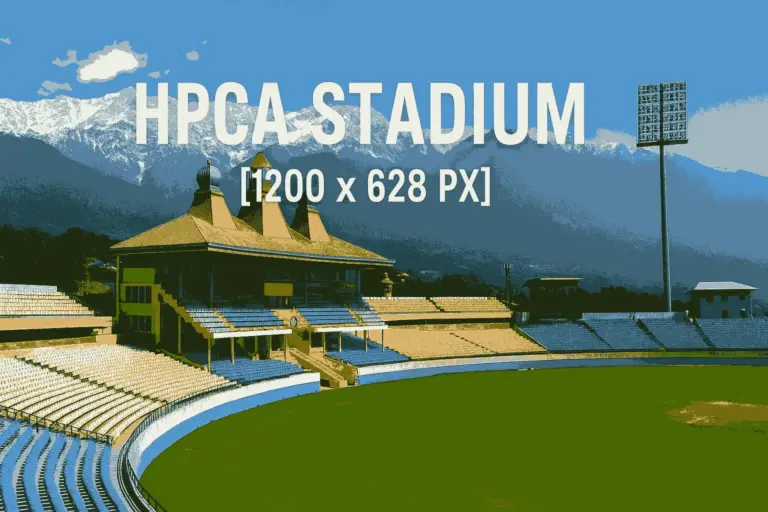

Cricket and Green Building Design: LEED Certification: Betbook250 com login, 11xplay reddy login, Yolo247
betbook250 com login, 11xplay reddy login, yolo247: Cricket and Green Building Design: LEED Certification
When we think of cricket, we often picture players out on the field with their bats and balls. But did you know that cricket stadiums can also play a significant role in promoting sustainability through green building design? LEED certification, a widely recognized symbol of sustainability achievement, is increasingly becoming a priority for cricket stadium developers and operators around the world.
What is LEED Certification?
LEED, which stands for Leadership in Energy and Environmental Design, is a green building certification program that recognizes best-in-class building strategies and practices. Buildings that achieve LEED certification are designed and constructed to be environmentally friendly, energy-efficient, and sustainable.
Why is LEED Certification Important for Cricket Stadiums?
Cricket stadiums are massive structures that consume a significant amount of resources, including energy and water. By incorporating green building design principles and pursuing LEED certification, stadium developers can reduce their environmental impact and operating costs while also providing a healthier and more comfortable environment for players and spectators.
Key Elements of Green Building Design for Cricket Stadiums
1. Energy Efficiency: Implementing energy-efficient lighting, heating, and cooling systems can significantly reduce a stadium’s energy consumption and carbon footprint.
2. Water Conservation: Installing water-efficient fixtures and implementing strategies for rainwater harvesting can help minimize water usage in cricket stadiums.
3. Sustainable Materials: Choosing sustainable building materials, such as recycled steel and locally sourced wood, can reduce the environmental impact of stadium construction.
4. Waste Management: Implementing a comprehensive waste management plan that includes recycling and composting can help minimize the amount of waste generated by cricket stadiums.
5. Indoor Environmental Quality: Providing adequate ventilation, natural lighting, and low-emission materials can create a healthier and more comfortable indoor environment for players and spectators.
6. Site Selection: Choosing a site for the cricket stadium that is well-connected to public transportation and amenities can help reduce the carbon footprint of the stadium.
LEED Certification Levels
LEED certification is available at four levels: Certified, Silver, Gold, and Platinum. Each level represents a higher degree of sustainability achievement, with Platinum being the most prestigious level.
FAQs
Q: How can cricket stadium developers and operators pursue LEED certification?
A: To pursue LEED certification, stadium developers and operators should work with experienced architects and sustainability consultants who can help incorporate green building design strategies into the stadium’s construction and operations.
Q: How long does it take to achieve LEED certification for a cricket stadium?
A: The time it takes to achieve LEED certification for a cricket stadium can vary depending on the complexity of the project and the level of certification being pursued. However, most projects take between 18 to 24 months to complete the certification process.
Q: Can existing cricket stadiums pursue LEED certification?
A: Yes, existing cricket stadiums can pursue LEED certification through a process known as LEED for Existing Buildings: Operations and Maintenance (LEED EB:O+M). This certification focuses on improving the sustainability performance of the stadium’s operations and maintenance practices.
In conclusion, cricket stadiums have a unique opportunity to promote sustainability through green building design and LEED certification. By incorporating energy-efficient technologies, water conservation strategies, and sustainable materials, developers and operators can create environmentally friendly and sustainable stadiums that benefit both the planet and the people who enjoy the game of cricket.